As new parents quickly discover, the arrival of a baby reshapes every aspect of daily life, including the ability to maintain a consistent fitness routine. The relentless cycle of feeding, diaper changes, and soothing a newborn leaves little room for the hour-long gym sessions or yoga classes that once defined wellness. However, this does not mean that health and fitness must be entirely abandoned. On the contrary, this new phase of life invites a creative reimagining of what exercise can look like. The concept of micro-workouts—short, intense, or highly focused bursts of activity—fits perfectly into the fragmented schedule of new parenthood. These are not meant to replace comprehensive fitness regimens but to sustain physical and mental well-being during a period when time is the most scarce resource.
The philosophy behind integrating movement into the cracks of your day is about seizing opportunities rather than waiting for large, uninterrupted blocks of time. It’s the antithesis of an all-or-nothing approach. A five-minute core session while the baby naps, a series of squats while holding them, or calf raises while waiting for the bottle to warm can collectively make a significant impact. This approach acknowledges the constraints of new parenthood while actively fighting the inertia that can come with exhaustion. It’s about building a resilient mindset where every minute counts and movement becomes a form of self-care that is woven into the fabric of caring for your newborn.
One of the most accessible places to incorporate micro-movements is right in the nursery or living room. Instead of scrolling through your phone during a contact nap, use that time to engage your core and improve your posture. Gently drawing your navel toward your spine and holding for ten-second intervals can reactivate deep abdominal muscles that may have been stretched during pregnancy. Similarly, while seated and rocking your baby, you can perform subtle glute squeezes. Clench the muscles, hold for a count of five, and release. This simple isometric exercise helps combat the prolonged sitting that comes with feeding and can aid in pelvic floor recovery.
The kitchen is another hub of parental activity, often involving short periods of waiting. Those two minutes while the microwave runs or the kettle boils are prime time for a micro-workout. This is an ideal moment for bodyweight exercises that require little space and no equipment. A set of ten to fifteen counter push-ups can engage the chest, shoulders, and arms. Simply place your hands shoulder-width apart on the edge of the counter, step your feet back to create an incline, and lower your chest toward the counter. For the lower body, holding onto the counter for balance, you can perform a set of slow, controlled squats or alternating lunges to fire up the major muscle groups in your legs.
Even the most mundane chores can be transformed into opportunities for movement. Folding laundry presents a chance to work on flexibility and balance. Instead of bending from the back to pick up clothes from the basket, practice a deep squat, keeping your back straight and chest up. This not only strengthens your legs and glutes but also turns a repetitive task into a functional fitness exercise. While vacuuming or mopping, be mindful of your posture. Engage your core and use the movement of pushing and pulling the appliance to create resistance, turning a household chore into a full-body engagement activity.
For many new parents, walking is the cornerstone of their daily routine, offering fresh air for both them and the baby. However, a simple stroll can be amplified with intervals. Try incorporating a power-walking pace for one song on your playlist, then returning to a comfortable stroll for the next two songs. This method of interval training, even in a low-impact form, boosts cardiovascular health and increases calorie burn without adding significant time or requiring any special preparation. If you’re feeling more ambitious, find a park bench or a set of stairs during your walk. Use the bench for step-ups, tricep dips, or incline push-ups, turning your environment into a makeshift gym for a few minutes.
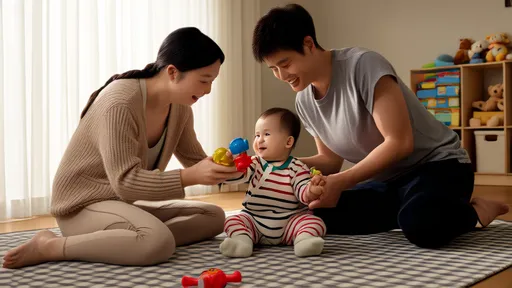
Perhaps the most joyful and effective form of micro-movement involves using your baby as the weight. This not only provides resistance but also fosters connection and can often elicit giggles from your little one. While sitting on the floor, hold your baby securely against your chest and lean back to perform a gentle crunch. As they get older and can support their head, you can lie on your back, hold them on your shins, and perform leg raises, making a game of the up-and-down motion. Always prioritize your baby’s safety and comfort, ensuring they are securely held and that any movement is slow and controlled. These moments of shared activity are as beneficial for bonding as they are for your core strength.
The mental and emotional benefits of these micro-movements are arguably just as important as the physical ones. The early stages of parenthood can be isolating and overwhelming. Taking even two minutes to focus on your breath and your body can serve as a powerful reset button. A short series of sun salutations during the morning nap can center your mind for the day ahead. Practicing deep, diaphragmatic breathing while performing a wall sit can calm the nervous system. These small acts are a declaration that your well-being still matters. They are a way to reclaim a sense of agency and control in a life that suddenly revolves around the needs of another.
Consistency, not duration, is the golden rule for the new parent’s fitness journey. The goal is to create a habit of movement, however small. It is far more effective to do five minutes of stretching every day than to plan for a one-hour workout that never happens because the baby is fussy. This consistent effort compounds over time, maintaining muscle tone, supporting joint health, and boosting energy levels. It prevents the feeling of starting from scratch months down the line when more time might become available. This approach is sustainable because it is built on realism and self-compassion, acknowledging the challenges without surrendering to them.
Ultimately, the journey of postpartum fitness and integrating movement into the chaos of new parenthood is a deeply personal one. It is not about achieving a pre-baby body or meeting external fitness standards. It is about feeling strong, capable, and energized to meet the immense physical and emotional demands of caring for an infant. These micro-movements are a testament to a parent's adaptability and resilience. They are small, powerful investments in your own health that, piece by piece, minute by minute, help you build a foundation of strength and well-being for yourself and your growing family.

By /Aug 25, 2025
By /Aug 25, 2025
By /Aug 25, 2025
By /Aug 25, 2025

By /Aug 25, 2025
By /Aug 25, 2025

By /Aug 25, 2025

By /Aug 25, 2025
By /Aug 25, 2025

By /Aug 25, 2025

By /Aug 25, 2025
By /Aug 25, 2025

By /Aug 25, 2025
By /Aug 25, 2025
By /Aug 25, 2025

By /Aug 25, 2025

By /Aug 25, 2025
By /Aug 25, 2025

By /Aug 25, 2025

By /Aug 25, 2025
