Durability Assessment and Replacement Signals for Running Shoe Midsole Materials

Aug 25, 2025 By

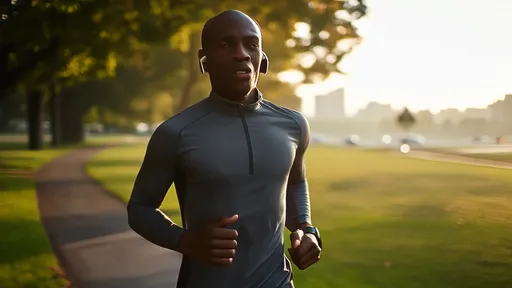
There comes a point in every runner's journey when the trusted companion that has carried them through countless miles begins to lose its magic. The spring in your step feels a little less lively, the impact a tad more jarring. This isn't just in your head; it's the inevitable aging of your shoe's midsole, the very heart of its cushioning and energy return. Understanding the lifespan of these materials and recognizing the signals for replacement is not just about maximizing performance; it's a critical component of injury prevention and long-term running health.

The midsole is the workhorse of a running shoe. Typically crafted from specialized foam compounds like EVA (ethylene-vinyl acetate), PU (polyurethane), or advanced proprietary blends like Nike's ZoomX or Adidas's Lightstrike, its primary jobs are to absorb shock, provide stability, and return energy with each footstrike. These materials are engineered to be resilient, but they are not immortal. With every run, the microscopic cell structure of the foam compresses. Initially, it rebounds almost entirely. But over time and under repeated stress, this ability to bounce back diminishes. The foam cells suffer from material fatigue, leading to permanent compression or bottoming out. This process is the core reason behind a shoe's finite lifespan.

So, how long does this magical cushioning actually last? The most common rule of thumb you'll hear is the 300-500 mile guideline. This is a useful starting point, but it's a generalization, not a gospel truth. The actual lifespan is a complex equation with several variables. Your body weight plays a significant role; a heavier runner will compress the midsole foam more aggressively with each step, potentially shortening the shoe's life. Your running style matters too; a forefoot striker might wear down the front of the midsole faster, while a heel striker will compress the rear. Even the surfaces you run on contribute; unforgiving asphalt will break down a shoe quicker than a forgiving synthetic track or soft trail. The quality and density of the foam itself are the final, crucial factors. A high-performance, super-soft foam might offer incredible comfort for the first 100 miles but could degrade faster than a denser, more durable training foam.

Your body is the most sophisticated diagnostic tool you have for assessing shoe wear, often providing signals long before visible signs appear. The most common and telling signal is a general ache that wasn't there before. We're not talking about normal muscle soreness from a hard workout, but a deeper, more persistent discomfort. This often manifests as new or unusual pain in the knees, shins, hips, or lower back. These are often impact-related injuries, suggesting your shoes are no longer adequately absorbing the shock of each footfall, transferring that stress up your kinetic chain. A feeling of general leg fatigue setting in much earlier on your usual routes is another red flag. If your legs feel dead and heavy by mile three on a run that normally feels easy, your shoes might be failing you.

Beyond listening to your body, a visual and tactile inspection can provide concrete evidence of midsole breakdown. The most straightforward test is the thumb press test. Take your shoe and press your thumb firmly into the midsole, both in the forefoot and heel areas. Then, do the same with a brand new pair of the same model (or compare the left and right shoes if you suspect one has worn more). A fresh midsole will feel firm yet supple, offering resistance before bouncing back. A worn-out midsole will feel noticeably harder, with little to no give; your thumb may almost bottom out without much effort. This loss of resiliency means the foam is compressed and can no longer do its job.

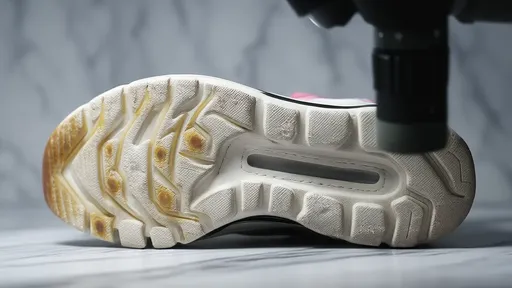
Also, examine the outsole. While wear on the rubber outsole doesn't directly indicate midsole death, the two are often linked. Severe wear patterns, especially if the foam is starting to show through, mean the structural integrity of the entire sole unit is compromised. Place your shoes on a flat surface and look at them from behind at eye level. Do they tilt inward or outward excessively compared to when they were new? This can indicate that the midsole has compacted unevenly, losing its stability features and potentially altering your gait in a harmful way.

For the data-driven runner, technology offers another layer of insight. Many modern running watches and platforms like Garmin Connect or Strava now feature shoe tracking tools. You can log which shoes you wear for each run, and the platform will keep a running tally of the mileage. While this shouldn't be your only metric, it provides an excellent objective baseline. If you're approaching 400 miles and starting to feel any of the physical signals, the data confirms it's likely time to retire them. Some runners even note the date of purchase in their log, as time itself is a factor. Even sitting unused in a closet, midsole foams can very slowly oxidize and lose their properties over multiple years.

Ignoring the signs of a dead midsole is a gamble with your physical well-being. Running on compromised cushioning significantly increases the impact stress traveling through your bones, muscles, and joints. This elevates your risk for a host of overuse injuries, including stress fractures, shin splints, plantar fasciitis, and IT band syndrome. You're essentially forcing your body to work harder to absorb shock that the shoe was designed to handle. Furthermore, worn-down stability features can lead to biomechanical inefficiencies, causing your ankle to roll inward or outward (overpronation or supination) more than it should, further straining the kinetic chain. The cost of a new pair of shoes is always cheaper than MRI scans, physical therapy, and months spent on the sidelines injured.

To get the maximum safe life out of your running shoes, a little strategy goes a long way. The single best practice is rotation. Having two or more pairs of shoes that you alternate between runs does wonders for longevity. It gives the foam in each pair a full 24-48 hours to decompress and regain its shape, much like a memory foam mattress. This significantly delays the onset of permanent compression. Avoid using your running shoes for everyday walking or gym sessions; keep them sacred for running to preserve their mileage. After a run, especially in wet conditions, stuff them with newspaper and let them air dry away from direct heat. Storing them in a cool, dry place away from sunlight will also help prevent the foam from breaking down prematurely due to environmental factors.

Knowing when to say goodbye is key. Use the 300-500 mile range as your initial guide, but let your body's signals be the ultimate judge. The thumb press test and visual inspection are your best friends for a hardware check. When the aches start, when the bounce is gone, and when the data says you're well into the danger zone, it's time to honor the miles you've shared and retire them. Those worn-out shoes can live a second life as yard work shoes or grocery run kicks, but their days of protecting you on the road are over. Investing in a fresh pair is an investment in your continued health, performance, and enjoyment of the sport you love.

Recommend Posts
Fitness

Protein Complementary Recipes for Vegetarian Athletes

By /Aug 25, 2025

As the global shift toward plant-based diets continues to accelerate, many individuals are embracing vegetarianism not only for ethical or environmental reasons but also for health benefits. However, one of the most persistent concerns among both new and seasoned vegetarians revolves around protein—specifically, how to obtain adequate and complete protein from plant-based sources. Unlike animal proteins, which contain all nine essential amino acids in sufficient quantities, most plant-based proteins are considered "incomplete," meaning they may be low in one or more essential amino acids. This is where the concept of protein complementarity becomes invaluable for vegetarians seeking to optimize their nutrition.
Fitness

Recommended Social Group Exercises for Retirees

By /Aug 25, 2025

As the golden years approach, many retirees find themselves with an abundance of free time and a desire to stay active, engaged, and socially connected. One of the most fulfilling ways to achieve this is through participating in group sports tailored for seniors. These activities not only promote physical health but also foster a sense of community, combat loneliness, and provide a structured yet enjoyable routine. The benefits extend far beyond the physical; they touch on mental well-being and emotional satisfaction, making them a cornerstone of a vibrant retirement lifestyle.
Fitness

Flexibility Exercises for Beginners with Stiff Bodies

By /Aug 25, 2025

Embarking on a journey to improve flexibility when your body feels more like a rigid board than a supple reed can be daunting. The very thought of touching your toes might seem like a distant fantasy, and the sight of seasoned yogis contorting themselves into graceful poses can be more discouraging than inspiring. Yet, the path to greater suppleness is not reserved for the naturally bendy. It is a journey of patience, consistency, and, most importantly, intelligent practice. For those starting with significant stiffness, the key lies not in forceful stretching or ambitious goals, but in understanding your body's unique language and building a foundation of trust with your own muscles and joints.
Fitness

Selecting Exercise Programs for Adolescent Growth and Development

By /Aug 25, 2025

As parents and educators watch young people navigate the complex journey of adolescence, one question consistently emerges: what role should sports and physical activity play during these formative years? The answer isn't as simple as signing up for the most popular school team or following in a sibling's footsteps. The relationship between adolescent development and athletic participation is a nuanced dance between physiological capability, psychological readiness, and personal interest—a balance that requires careful consideration rather than rushed decisions.
Fitness

Lumbosacral Protection Exercise Package for Long-Sitting Drivers

By /Aug 25, 2025

For millions of professional drivers and daily commuters, long hours behind the wheel are an unavoidable reality. The convenience and necessity of driving come at a cost, often paid by the lower back. The sustained, static postures, constant vibration, and limited mobility create a perfect storm for lumbar and sacral discomfort, sometimes escalating into chronic pain or more severe musculoskeletal issues. The spine, particularly the lumbar region, bears the brunt of this sedentary stress, compressed by gravity and immobilized by the confines of the driver's seat. This isn't merely about temporary stiffness; it's about the gradual, cumulative wear and tear that can significantly impact one's quality of life and long-term health.
Fitness

A Compilation of Quick Exercises for New Parents' Spare Time

By /Aug 25, 2025

As new parents quickly discover, the arrival of a baby reshapes every aspect of daily life, including the ability to maintain a consistent fitness routine. The relentless cycle of feeding, diaper changes, and soothing a newborn leaves little room for the hour-long gym sessions or yoga classes that once defined wellness. However, this does not mean that health and fitness must be entirely abandoned. On the contrary, this new phase of life invites a creative reimagining of what exercise can look like. The concept of micro-workouts—short, intense, or highly focused bursts of activity—fits perfectly into the fragmented schedule of new parenthood. These are not meant to replace comprehensive fitness regimens but to sustain physical and mental well-being during a period when time is the most scarce resource.
Fitness

Anti-Jet Lag Exercise Regulation Method for Frequent Travelers"

By /Aug 25, 2025

For the modern business traveler, crossing time zones is as routine as boarding a flight. Yet, the silent toll of jet lag can disrupt even the most seasoned traveler's performance, mood, and health. While many turn to melatonin or caffeine, an emerging and powerful strategy lies in leveraging targeted physical activity. Exercise, when timed and performed correctly, serves as a potent biological cue, helping to realign our internal clock with the local environment. This approach is not about grueling workouts but about intelligent movement strategically woven into your travel itinerary.
Fitness

Safety and Efficiency of Morning Exercises for Regular Night Owls

By /Aug 25, 2025

For the countless individuals burning the midnight oil, whether by choice or necessity, the morning presents a unique set of challenges and opportunities. The very idea of exercise after a night of insufficient sleep can feel like a monumental task, a battle between the desire for health and the body's desperate cry for rest. Yet, a dedicated group of night owls and overworked professionals lace up their shoes each morning, seeking the benefits of a workout. The critical question that emerges is not just about finding the motivation, but about understanding the intricate dance between late nights and early exertion. This exploration delves into the safety protocols and efficacy metrics essential for those who navigate the delicate balance of being a frequent night-owl and a dedicated morning exerciser.
Fitness

First-Person Perspective Training Record Analysis for Action Cameras

By /Aug 25, 2025

The evolution of first-person perspective training analysis through action cameras represents a paradigm shift in how athletes and coaches approach skill development. Gone are the days of relying solely on memory or external observations; now, every subtle movement, every split-second decision, and every physical response can be captured, analyzed, and improved upon. This technological revolution has transformed training methodologies across countless sports, providing unprecedented insights into performance dynamics that were previously invisible to the naked eye.
Fitness

Winter Layering Dressing Guide for Sports Edition

By /Aug 25, 2025

As winter's chill descends upon us, athletes and outdoor enthusiasts face the perennial challenge of staying warm without sacrificing mobility or performance. The layered dressing system, long favored by mountaineers and adventurers, offers an elegant solution to this cold-weather conundrum. Rather than relying on bulky garments that restrict movement, this approach utilizes multiple specialized layers working in concert to regulate body temperature, manage moisture, and provide protection from the elements. The beauty of this system lies not in its complexity, but in its adaptability—allowing you to fine-tune your insulation precisely according to your activity level and the conditions you encounter.
Fitness

Water Hydration Tool: Cleaning and Maintenance of Sports Water Bags

By /Aug 25, 2025

In the world of outdoor adventures and athletic pursuits, the hydration reservoir has become an indispensable companion for those who value both convenience and performance. These innovative water storage systems, often nestled within backpacks or carried as standalone units, have revolutionized how we hydrate on the move. Yet despite their sophisticated design and daily use, many enthusiasts overlook the critical importance of proper maintenance, not realizing that neglect can transform this hydration hero into a potential health hazard.
Fitness

The Impact of Wrist Wrap Wrapping Methods on Wrist Support Effectiveness

By /Aug 25, 2025

Wrist wraps have become an essential piece of equipment for athletes, fitness enthusiasts, and individuals recovering from injuries. While much attention is given to the material and design of these supports, the method of wrapping is often overlooked despite being a critical factor in determining the level of support provided. The way a wrist wrap is applied can mean the difference between adequate stabilization and inadequate protection, potentially influencing both performance and injury prevention.
Fitness

Experiment on the Degradation of Functionality with the Number of Washes in Quick-Drying Clothes

By /Aug 25, 2025

In the realm of athletic and outdoor apparel, the durability and longevity of performance garments are subjects of intense scrutiny. Among these, quick-drying shirts have garnered significant attention due to their widespread use and the critical role they play in comfort and functionality. A recent comprehensive study delved into the effects of repeated washing on the functional properties of these garments, revealing insights that both consumers and manufacturers will find invaluable.
Fitness

Comparison of Data Accuracy in Different Sports Modes for Smartwatches

By /Aug 25, 2025

As smartwatches continue to evolve from simple notification devices to comprehensive health and fitness companions, one question remains at the forefront for athletes and casual users alike: how accurate is the data they provide across different exercise modes? The market is flooded with devices boasting advanced sensors and algorithms, yet the real-world performance often tells a more nuanced story. This report delves into the comparative accuracy of various smartwatch models, examining how they fare when tracking everything from a leisurely walk to a high-intensity interval training session.
Fitness

Design for Dry-Wet Separation and Odor Control in Fitness Bags

By /Aug 25, 2025

In the world of fitness, where sweat and effort are part of the daily routine, the design of a gym bag plays a crucial role that often goes overlooked. A well-designed fitness bag is not just about carrying gear; it's about maintaining hygiene, organization, and longevity of your equipment. Among the most critical features in modern gym bag design are moisture management and odor control, two elements that can make or break the user experience. This article delves into the innovative approaches and technologies that are transforming how athletes and fitness enthusiasts store and transport their gear, ensuring that post-workout freshness is as much a priority as the workout itself.
Fitness

Matching Sports Sunglasses Lens Colors with Scenarios

By /Aug 25, 2025

Selecting the right lens color for your sports sunglasses isn't just about aesthetics—it's a critical decision that impacts performance, comfort, and even safety. The science behind lens tints reveals that different colors filter light in unique ways, enhancing contrast, reducing glare, and improving visual clarity in specific environments. Whether you're cycling through forest trails, skiing on snowy slopes, or running on sun-drenched pavement, matching your lens color to the activity and conditions can transform your experience.
Fitness

Extreme Sports Stability Test for True Wireless Earbuds

By /Aug 25, 2025

The relentless pursuit of perfection in true wireless earbuds has led manufacturers to a new battleground: the extreme. No longer is simple sound quality or basic connectivity enough. For the modern, active consumer, the ultimate test is whether a pair of earbuds can survive the grueling, sweat-drenched, high-impact reality of an intense workout. This has given rise to a new category of testing, pushing products to their absolute limits in ways that would make everyday users wince.
Fitness

Durability Assessment and Replacement Signals for Running Shoe Midsole Materials

By /Aug 25, 2025

There comes a point in every runner's journey when the trusted companion that has carried them through countless miles begins to lose its magic. The spring in your step feels a little less lively, the impact a tad more jarring. This isn't just in your head; it's the inevitable aging of your shoe's midsole, the very heart of its cushioning and energy return. Understanding the lifespan of these materials and recognizing the signals for replacement is not just about maximizing performance; it's a critical component of injury prevention and long-term running health.
Fitness

Father-Child Interactive Physical Fitness Games

By /Aug 25, 2025

In the quiet hum of a suburban afternoon, where screens often dominate attention and schedules overflow with structured activities, a profound yet simple revolution is taking place in backyards and living rooms across the country. It’s not fueled by technology or fancy equipment, but by something far more fundamental: a father and his child, engaged in the timeless, joyous chaos of physical play. This isn't just about burning off a child's boundless energy; it's about building a connection, brick by brick, laugh by laugh, in a way that only unstructured, interactive physical games can facilitate.
Fitness

Enhancing Athletic Performance and Optimizing Natural Testosterone Levels

By /Aug 25, 2025

In the realm of athletic performance, the conversation often circles back to one crucial hormone: testosterone. This powerful androgen plays a pivotal role in muscle growth, strength development, and overall physical prowess. For athletes and fitness enthusiasts alike, understanding how to naturally optimize testosterone levels can be the key to unlocking superior performance and achieving new personal bests. While synthetic enhancements exist, the focus here is on sustainable, natural methods that align with long-term health and ethical training practices.