For the modern business traveler, crossing time zones is as routine as boarding a flight. Yet, the silent toll of jet lag can disrupt even the most seasoned traveler's performance, mood, and health. While many turn to melatonin or caffeine, an emerging and powerful strategy lies in leveraging targeted physical activity. Exercise, when timed and performed correctly, serves as a potent biological cue, helping to realign our internal clock with the local environment. This approach is not about grueling workouts but about intelligent movement strategically woven into your travel itinerary.
The human body operates on a finely tuned internal timekeeper known as the circadian rhythm. This rhythm governs our sleep-wake cycles, hormone release, body temperature, and even digestion. It is primarily synchronized by light exposure, but other factors, known as zeitgebers, play a crucial role. Physical activity is one of the most powerful non-photic zeitgebers. When you exercise, you send a strong signal to your brain's suprachiasmatic nucleus—the master clock—indicating that it is time to be awake and alert. This signal can help shift your rhythm forward or backward, making it an invaluable tool for adapting to a new time zone.
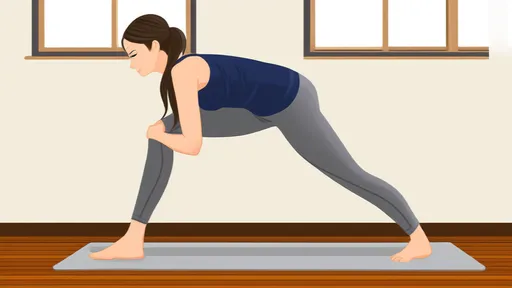
Understanding the type of exercise is the first step. The goal is not to exhaust yourself but to stimulate your system. For many travelers, the confines of a hotel room or a small gym are the only available spaces. This is where bodyweight exercises, yoga, and high-intensity interval training (HIIT) become exceptionally useful. A sequence of dynamic stretches, push-ups, planks, and bodyweight squats can elevate your heart rate and core temperature effectively. Similarly, a series of sun salutations in yoga can invigorate the body and calm the mind, serving a dual purpose. The key is consistency and engaging multiple muscle groups to maximize the metabolic and circadian response.
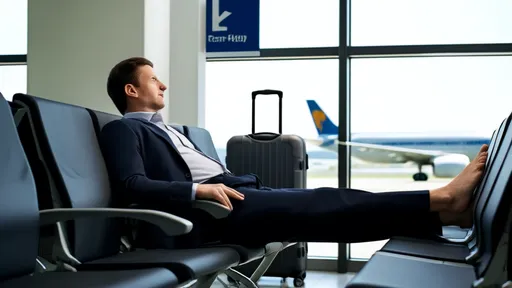
Perhaps the most critical element of this strategy is not just what you do, but when you do it. Timing your workouts relative to your flight and destination local time can dramatically enhance their effectiveness. If you are flying east, you need to shift your clock forward. In this case, a morning workout in your new time zone can help advance your rhythm, signaling an earlier start to the day. Conversely, if you are flying west, requiring a phase delay, an afternoon or early evening session can help push your internal clock later. For long-haul flights, consider gentle movement like walking stretches in the aisle every few hours to combat stiffness and initiate rhythm adjustment even before landing.
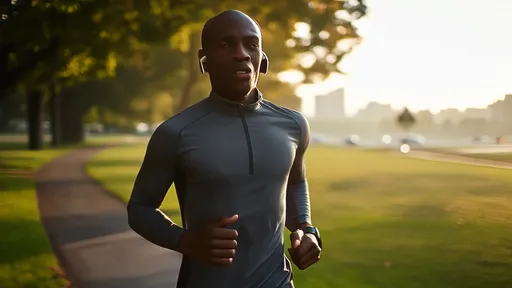
Light exposure works in concert with exercise to reset your internal clock. The combination is far more potent than either alone. Aim to schedule your outdoor activity, like a brisk walk or a run, during the daylight hours of your destination. If you arrive in the morning, resist the urge to nap immediately. Instead, head outside for a walk in the sunlight. The natural light will suppress melatonin production, promoting alertness, while the exercise will further reinforce the wakeful state. This one-two punch is a highly effective method for compelling your body to adapt to the new schedule rapidly.
Recovery is an often-overlooked but essential component of this regimen. Travel is physically stressful, and layering intense exercise on top of that stress without proper recovery can be counterproductive. This is where modalities like foam rolling, gentle yoga, and focused stretching come into play. These activities promote circulation, reduce muscle soreness, and can significantly improve sleep quality—a vital factor in overcoming jet lag. A short routine before bed, emphasizing static stretches and deep breathing, can calm the nervous system and prepare the body for rest, making it easier to fall asleep at the new local time.
Nutrition and hydration are the supporting pillars that make the entire system work. Dehydration exacerbates fatigue and confusion, hallmarks of jet lag. Drinking plenty of water before, during, and after your flight is non-negotiable. Similarly, aligning your meals with your destination's meal times is another powerful zeitgeber. Choose light, easily digestible meals that are rich in protein and complex carbohydrates to fuel your workouts and recovery, avoiding heavy, greasy foods that can disrupt digestion and sleep.
Implementing this requires a personalized plan. A traveler flying from New York to London, a five-hour time difference, would benefit from a brisk outdoor run upon arrival in the London morning. A executive traveling from San Francisco to Tokyo, a sixteen-hour difference, might focus on in-flight movement and prioritize an evening yoga session in the first few days to delay their rhythm. The principle remains the same: use deliberate, timed physical activity as a tool to command your body to adapt.
Mastering jet lag is no longer about merely enduring it. For the frequent traveler, it is a manageable aspect of the journey that can be controlled through strategic action. By intelligently incorporating movement, synchronizing it with light and recovery, and supporting it with proper hydration and nutrition, you can transform your body from a passive victim of time zones into an active, adapting system. This method empowers you to land not just feeling less tired, but feeling prepared, sharp, and ready to perform at your peak, no matter where in the world you find yourself.

By /Aug 25, 2025

By /Aug 25, 2025
By /Aug 25, 2025

By /Aug 25, 2025

By /Aug 25, 2025

By /Aug 25, 2025
By /Aug 25, 2025
By /Aug 25, 2025

By /Aug 25, 2025

By /Aug 25, 2025

By /Aug 25, 2025
By /Aug 25, 2025

By /Aug 25, 2025

By /Aug 25, 2025

By /Aug 25, 2025

By /Aug 25, 2025

By /Aug 25, 2025
By /Aug 25, 2025

By /Aug 25, 2025

By /Aug 25, 2025
