As parents and educators watch young people navigate the complex journey of adolescence, one question consistently emerges: what role should sports and physical activity play during these formative years? The answer isn't as simple as signing up for the most popular school team or following in a sibling's footsteps. The relationship between adolescent development and athletic participation is a nuanced dance between physiological capability, psychological readiness, and personal interest—a balance that requires careful consideration rather than rushed decisions.
The landscape of youth sports has dramatically transformed over recent decades, evolving from casual neighborhood games to highly structured, competitive environments that often demand early specialization. This shift has created both incredible opportunities and significant challenges for developing adolescents. Understanding how to navigate this terrain requires looking beyond wins and losses to consider how movement and play contribute to the whole person taking shape during these critical years.
Adolescence represents a period of remarkable physical transformation that directly impacts athletic performance and injury risk. Growth spurts typically occurring between ages 10-14 for girls and 12-16 for boys can temporarily disrupt coordination as limbs lengthen and center of gravity shifts. This phenomenon, sometimes called "adolescent awkwardness," means that a previously coordinated child might suddenly struggle with activities that once came easily. During this phase, sports requiring complex motor skills might prove frustrating, while activities emphasizing general fitness and fundamental movement patterns could provide better foundations for long-term athletic development.
Simultaneously, bones grow faster than muscles and tendons during growth spurts, making young athletes more susceptible to overuse injuries like Osgood-Schlatter disease (knee pain) or Sever's disease (heel pain). These concerns don't mean adolescents should avoid sports altogether, but they do suggest that variety and appropriate volume matter tremendously. The adolescent skeleton also remains more vulnerable to fractures until bones fully mature, typically around late adolescence or early adulthood.
Beyond the physical changes, the psychological dimensions of sports participation during adolescence cannot be overstated. The middle and high school years represent a period of identity formation when young people begin to define who they are and what they value. Sports can provide powerful opportunities for developing self-esteem, learning to handle pressure, and building resilience—but they can also become sources of anxiety, burnout, and negative self-image when approached improperly.
The social component of athletic participation takes on heightened importance during adolescence. Team sports offer built-in communities and opportunities to develop friendship skills, while individual sports might appeal to those who prefer more autonomous achievement. Neither approach is inherently superior, but matching the social environment to the adolescent's temperament can make the difference between a sustaining hobby and a stressful obligation.
Perhaps most critically, the adolescent brain undergoes significant reorganization that affects coordination, risk assessment, and emotional regulation. The prefrontal cortex—responsible for judgment and impulse control—matures more slowly than the emotional centers of the brain, which helps explain why teenagers might make risky decisions both in sports and daily life. This neurological development timeline suggests that sports requiring quick decisions under pressure might need to be introduced gradually with appropriate coaching around risk management.
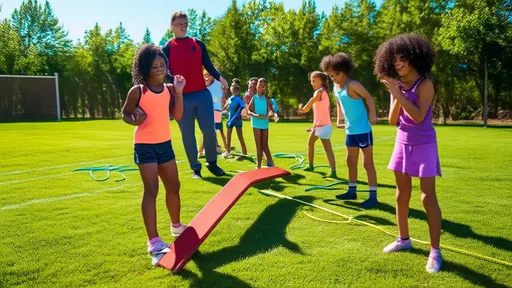
When considering specific sports, team options like soccer, basketball, and volleyball offer excellent opportunities for developing social skills while providing varied movement patterns that support overall athleticism. These sports typically involve running, jumping, changing direction, and cooperating with others—all valuable skills that translate well to other activities. The intermittent nature of these sports (alternating bursts of intensity with recovery) also aligns well with developing cardiovascular systems.
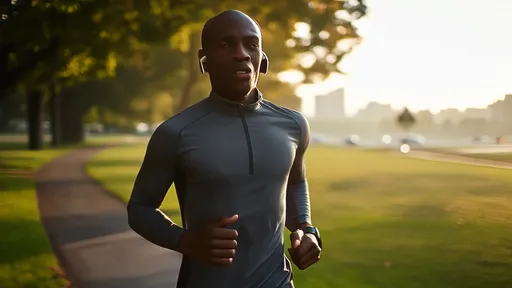
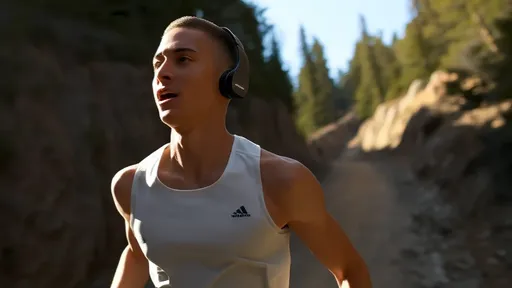
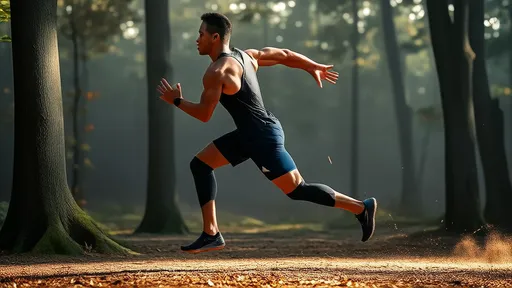
Individual sports like swimming, tennis, track and field, and martial arts allow adolescents to progress at their own pace while taking full ownership of their performance. These activities can be particularly valuable for young people who prefer controlling their own training outcomes rather than depending on teammates. Many individual sports also offer lifetime value, with participation possibilities extending far beyond school years.
Emerging research suggests that early specialization in a single sport—once thought to be the path to elite performance—might actually increase injury risk and lead to earlier burnout. The American Academy of Pediatrics recommends delaying sport specialization until at least age 15 or 16, and instead encouraging adolescents to sample various sports throughout the year. This approach, sometimes called "sampling," allows young athletes to develop diverse movement skills while reducing repetitive stress on developing bodies.
For adolescents who do choose to specialize, monitoring for signs of overtraining becomes essential. These might include persistent muscle or joint pain, fatigue, declining academic performance, changes in mood, or loss of enthusiasm for the sport. The line between committed training and harmful overuse can be thin, and adults must help young athletes recognize when they're crossing it.
The role of strength training deserves particular attention in adolescent sports discussions. Once controversial, appropriately supervised resistance training is now recognized as beneficial for bone health, injury prevention, and performance enhancement. The key lies in proper technique, appropriate loads, and qualified supervision—not in avoiding strength development altogether. Bodyweight exercises often provide excellent starting points before progressing to external resistance.
Nutrition represents another critical consideration often overlooked in youth sports. Adolescent athletes have increased energy needs to support both their sports participation and their growth requirements. inadequate fueling can lead to fatigue, increased injury risk, and impaired development. Hydration needs also increase significantly, particularly for endurance sports or activities in warm environments. Education around sports nutrition should be part of any serious athletic participation.
Perhaps the most important consideration often gets lost in discussions about metrics and performance: sports should remain enjoyable. The adolescent years represent the last prolonged period before adult responsibilities limit recreational time. Maintaining pleasure in movement—whether through organized sports or informal physical activity—establishes patterns that can support health throughout life. When sports become purely outcome-focused, they risk extinguishing the intrinsic motivation that makes physical activity sustainable.
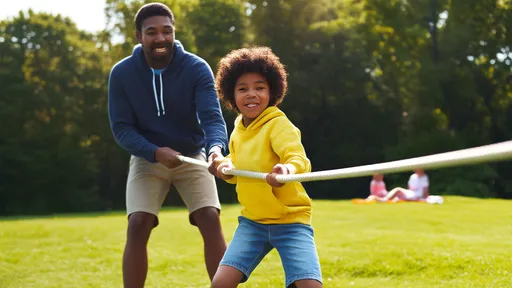
Parents and coaches play decisive roles in shaping adolescent sports experiences. Adults who emphasize effort over outcomes, who model respectful behavior toward officials and opponents, and who keep winning in perspective help create environments where young people can thrive. The most damaging environments often feature adults living vicariously through young athletes or treating youth sports as professional training grounds.
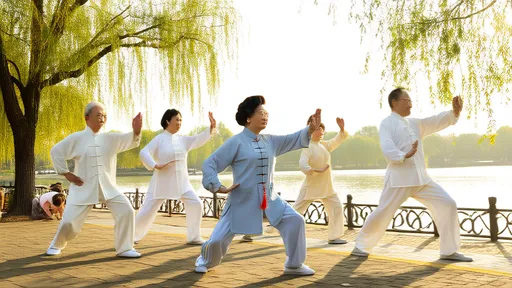
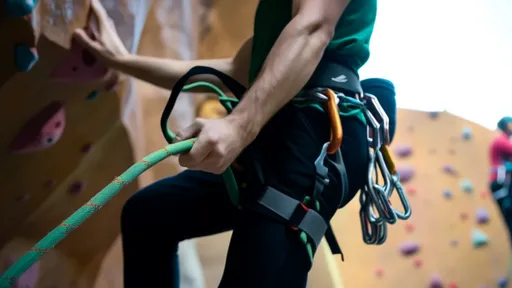
For adolescents who don't gravitate toward traditional team sports, alternative activities like rock climbing, cycling, dance, or martial arts might provide better fits. The ultimate goal isn't creating star athletes but helping young people find physical activities they enjoy enough to continue beyond their school years. These activities should challenge them appropriately while supporting their developing identities.
The conversation around sports and adolescence ultimately returns to balance—balancing challenge with recovery, specialization with variety, and competition with fun. There are no universal answers, only thoughtful questions asked consistently: Is this activity supporting healthy development? Is it sustainable? Is it enjoyable? The young person at the center of these decisions should remain the primary voice in answering them.
As research continues to evolve our understanding of adolescent development, one principle remains constant: movement matters. The specific form it takes matters less than finding ways to keep adolescents engaged, healthy, and connected to their bodies during this remarkable transformation. Whether through team sports, individual pursuits, or recreational activities, the movement patterns established during these years often become lifelong practices—making thoughtful choices about adolescent sports participation an investment in future well-being.

By /Aug 25, 2025
By /Aug 25, 2025

By /Aug 25, 2025
By /Aug 25, 2025

By /Aug 25, 2025
By /Aug 25, 2025

By /Aug 25, 2025
By /Aug 25, 2025
By /Aug 25, 2025

By /Aug 25, 2025
By /Aug 25, 2025

By /Aug 25, 2025

By /Aug 25, 2025

By /Aug 25, 2025
By /Aug 25, 2025

By /Aug 25, 2025
By /Aug 25, 2025

By /Aug 25, 2025
By /Aug 25, 2025
By /Aug 25, 2025
