Beef Cuts Breakdown: Which is Best for Stewing? Which for Pan-frying? One Chart to Understand!

Sep 9, 2025 By

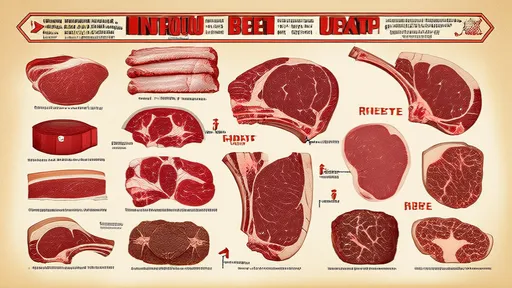
When it comes to cooking beef, the cut you choose can make or break your dish. With so many options available at the butcher counter, it’s easy to feel overwhelmed. However, understanding the characteristics of each cut—such as fat content, muscle structure, and connective tissue—can help you select the perfect piece for your desired cooking method. Whether you’re aiming for a tender, quick-cooked steak or a rich, slow-simmered stew, there’s a beef cut ideally suited to the task.


Beef is broadly divided into primal cuts, which are then further broken down into subprimals and individual retail cuts. The location of the cut on the animal greatly influences its texture and flavor. Muscles that work harder, like those from the shoulder or leg, tend to be tougher but more flavorful, making them excellent for slow cooking. Conversely, cuts from less-exercised areas, such as the loin, are generally more tender and better suited for quick, high-heat methods like grilling or pan-searing.


Let’s start with cuts that are perfect for braising, stewing, or slow roasting. These methods involve cooking beef for an extended period at low temperatures, which allows tough connective tissues to break down into rich, gelatinous goodness. One of the most popular choices for this style of cooking is the chuck. Coming from the shoulder area, chuck is well-marbled with fat and contains a good amount of collagen. When cooked slowly, it becomes incredibly tender and flavorful. Classic dishes like pot roast and beef stew often rely on chuck roast or chuck steak. Another excellent option is the brisket, taken from the lower chest. This cut is known for its dense connective tissue, which requires long, slow cooking to become tender. Smoked brisket is a barbecue favorite, but it also shines when braised for hours in the oven. The shank, from the leg, is another tough cut that becomes fall-off-the-bone tender when braised. It’s famously used in osso buco, an Italian classic. Finally, the round, from the rear leg, is lean and tough but can be used for slow cooking if sliced thinly or ground. However, it’s often better suited for roasting at low temperatures or braising when cut into steaks.


For those who prefer a quicker cooking method that yields a juicy, tender result, certain cuts are ideal for pan-searing, grilling, or broiling. These cuts come from parts of the animal that get little exercise, resulting in more tender muscle fibers. The ribeye is a prime example. Cut from the rib section, it’s exceptionally well-marbled, making it rich, juicy, and full of flavor. A quick sear in a hot pan or on a grill is all it needs. Similarly, the strip steak (or New York strip) comes from the short loin and offers a robust beefy flavor with a firm texture. It’s less fatty than ribeye but still tender and great for high-heat cooking. The tenderloin is arguably the most tender cut of all. Located along the spine, this muscle does very little work, resulting in a buttery texture that melts in your mouth. Filet mignon is cut from the tenderloin and is best cooked quickly to medium-rare to preserve its tenderness. For something a bit different, the flank steak is a lean, fibrous cut from the abdominal muscles. While it’s not as naturally tender as loin cuts, it becomes wonderfully flavorful when marinated and cooked quickly over high heat, then sliced thinly against the grain. The skirt steak, often used in fajitas, shares similar characteristics and responds well to high-heat searing.


Some cuts are versatile and can be prepared using multiple methods depending on how they are handled. The sirloin, for instance, sits between the loin and the round. Top sirloin is tender enough for grilling, while bottom sirloin might be better suited for roasting or cutting into kabobs. Short ribs, whether English-cut or flanken-style, are rich and marbled. They can be braised low and slow until succulent or grilled quickly if cut thinly. Even ground beef, which can come from various trimmings, is incredibly adaptable. Higher fat blends (like 80/20) are great for burgers that benefit from grilling or pan-searing, while leaner blends can be used in sauces or meatballs that simmer for a shorter time.


Selecting the right cut is only half the battle; proper preparation is key to a delicious outcome. For tough cuts destined for slow cooking, seasoning generously and searing the meat before braising can develop a deep, caramelized crust that enhances the overall flavor of the dish. Using a flavorful liquid—like broth, wine, or tomatoes—and aromatics during braising will infuse the meat as it tenderizes. For tender cuts meant for quick cooking, bringing the steak to room temperature before cooking ensures even doneness. A hot cooking surface is crucial to achieve a good sear that locks in juices. Letting the meat rest after cooking allows the fibers to relax and reabsorb moisture, preventing a dry result. Marinades can add flavor and, in the case of leaner cuts like flank steak, help tenderize slightly.


Understanding beef cuts doesn’t have to be complicated. By remembering a few basic principles—like tougher cuts benefit from low and slow cooking, while tender cuts excel with high and fast heat—you can confidently choose the right meat for any recipe. Don’t be afraid to ask your butcher for recommendations or clarification; they are a valuable resource. Experimenting with different cuts and methods is part of the joy of cooking. So next time you’re planning a meal, let the cut guide your technique, and you’ll be rewarded with a perfectly cooked, flavorful beef dish every time.


Recommend Posts
Food

Parma Ham and Melon: The Science Behind the Heavenly Marriage of Salt and Sweet

By /Sep 9, 2025

In the world of culinary pairings, few combinations are as celebrated and timeless as prosciutto di Parma and melon. This classic Italian antipasto, with its perfect balance of salty and sweet, has graced tables for centuries, captivating palates and inspiring chefs and home cooks alike. But what is the science behind this seemingly simple yet profoundly harmonious duo? The answer lies in a fascinating interplay of taste perception, chemistry, and even a touch of psychology.
Food

The King of Slow Cooking" Beef Shin - How to Cook a Perfect Braised Beef with Tender and Flavorful Meat and Clear Broth?

By /Sep 9, 2025

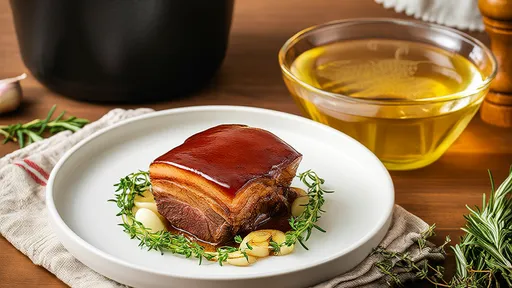
There is an art to transforming the humble beef shank into a dish that transcends the ordinary, a centerpiece that speaks of patience, technique, and deep, layered flavor. Often hailed as the "king of slow cooking," the beef shank, with its rich marbling of connective tissue and deep beefy flavor, is the ideal candidate for a masterful red-braised beef. The goal is a pot of meat so tender it yields to the slightest pressure of a chopstick, bathed in a broth that is remarkably clear yet intensely flavorful, a beautiful paradox that signifies true culinary skill. This is not merely cooking; it is a patient orchestration of heat, time, and ingredients.
Food

Mastering the Perfect Timing for Shrimp Cooking: A Second Too Long Makes It Tough, A Second Too Short Leaves It Raw

By /Sep 9, 2025

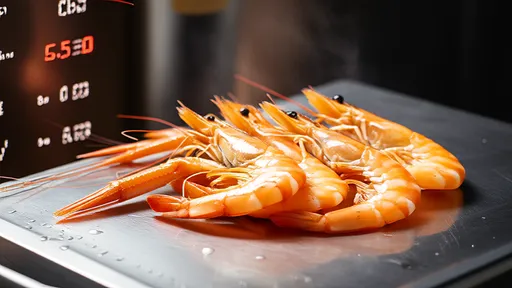
In the delicate world of seafood cookery, few ingredients demand as much precision and respect as shrimp. These crustaceans, beloved for their sweet, briny flavor and tender texture, walk a culinary tightrope where mere seconds separate perfection from disappointment. The difference between a succulent, juicy shrimp and one that's rubbery or undercooked often boils down to timing—a reality that has both intimidated home cooks and fascinated professional chefs for generations.
Food

The Seventy-Two Transformations" of Tofu: Southern Tofu, Northern Tofu, and Inner Ester Tofu - What's the Difference in Nutrition and Usage?

By /Sep 9, 2025

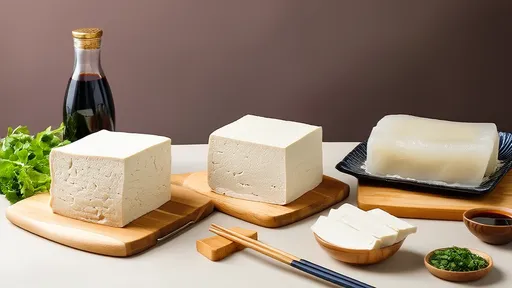
In the vast landscape of Chinese cuisine, few ingredients are as versatile and culturally significant as tofu. Known as "bean curd" in English, this humble food has been a cornerstone of East Asian diets for centuries, celebrated not only for its nutritional value but also for its remarkable adaptability. Among the many varieties that have emerged over time, three stand out as particularly distinct in both character and culinary application: southern tofu, northern tofu, and lactone tofu. Each type tells a story of regional preferences, traditional techniques, and evolving tastes, offering a fascinating glimpse into how a single ingredient can be transformed to suit diverse needs and palates.
Food

Tuna: The Nutritional Difference Between Canned and Fresh 'Steak of the Sea'"

By /Sep 9, 2025

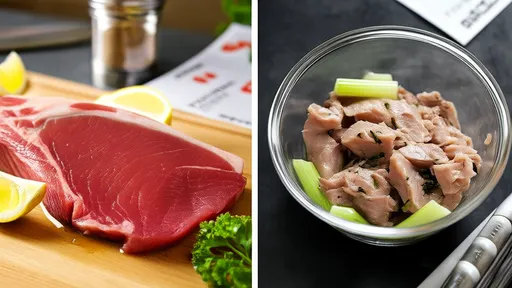
When it comes to seafood delicacies, few capture the imagination and appetite quite like tuna. Often dubbed the "steak of the sea" for its meaty texture and rich flavor, tuna holds a revered spot in culinary traditions across the globe. However, a common dilemma faces consumers and chefs alike: should one opt for the convenience and longevity of canned tuna or the premium, fresh-caught experience? The debate extends beyond mere taste and convenience, delving deep into the nutritional landscape, where processing methods, storage, and preparation significantly influence what ends up on your plate.
Food

Greek Yogurt vs Regular Yogurt: The Truth About High Protein and Low Sugar, How to Avoid the Fake Greek Yogurt" Trap?

By /Sep 9, 2025

In the bustling dairy aisle, Greek yogurt stands as a titan among its peers, promising a creamy, protein-packed experience that has captivated health-conscious consumers worldwide. But behind the glossy packaging and bold nutritional claims lies a complex landscape of production methods, ingredient quality, and marketing tactics that can make even the most discerning shopper pause. The distinction between authentic Greek yogurt and its imitators isn't just about taste or texture—it's about understanding what truly goes into the cup and how it affects your health goals.
Food

Beef Cuts Breakdown: Which is Best for Stewing? Which for Pan-frying? One Chart to Understand!

By /Sep 9, 2025

When it comes to cooking beef, the cut you choose can make or break your dish. With so many options available at the butcher counter, it’s easy to feel overwhelmed. However, understanding the characteristics of each cut—such as fat content, muscle structure, and connective tissue—can help you select the perfect piece for your desired cooking method. Whether you’re aiming for a tender, quick-cooked steak or a rich, slow-simmered stew, there’s a beef cut ideally suited to the task.
Food

The Science of Cooking Perfect Protein" Eggs: Which Has the Highest Digestibility, Soft-Boiled or Hard-Boiled Eggs?

By /Sep 9, 2025

In the world of nutritional science, few foods have been studied as extensively as the humble egg. Long celebrated as a nutritional powerhouse, eggs represent one of nature's most complete protein sources, containing all nine essential amino acids in nearly perfect proportions. Yet despite this biochemical perfection, how we prepare eggs significantly influences how our bodies process these nutrients. The debate between soft-boiled versus hard-boiled eggs represents more than just textural preference—it's a question of bioavailability, protein denaturation, and digestive efficiency that has fascinated food scientists and nutritionists for decades.
Food

The Ultimate Secret to Juicy Chicken Breast: From Low-Temperature Slow Cooking to Brine Soaking, Fitness Meals Can Be Tender and Moist.

By /Sep 9, 2025

For countless fitness enthusiasts and health-conscious eaters, chicken breast has been both a blessing and a curse. It’s lean, packed with protein, and incredibly versatile—yet so often, it turns out dry, tough, and downright unappetizing. The struggle is real: you meal prep with the best intentions, only to be met with a chewy, flavorless slab that makes sticking to your diet feel like a punishment. But what if I told you that it doesn’t have to be this way? What if you could consistently achieve juicy, tender, and flavorful chicken breast every single time?
Food

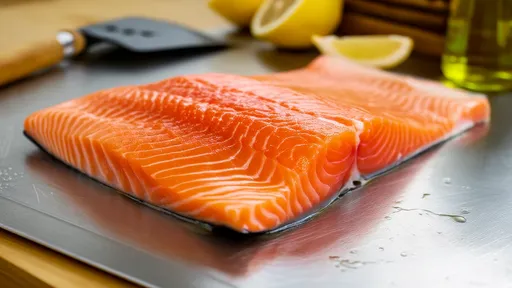
Salmon: A Treasure Trove of Omega-3 Fatty Acids - Pan-frying, Grilling, Sashimi, Which Method Best Protects Cardiovascular Health?

By /Sep 9, 2025

In the realm of superfoods, few ingredients command as much respect as salmon. Revered by nutritionists and chefs alike, this versatile fish has carved out a reputation as a nutritional powerhouse, particularly celebrated for its rich reserves of omega-3 fatty acids. These essential fats, which the human body cannot produce on its own, play a critical role in maintaining cardiovascular health. They help reduce inflammation, lower triglycerides, decrease blood clotting, and may even help regulate heart rhythms. With heart disease remaining a leading cause of mortality globally, the quest for dietary strategies to support heart health has never been more pertinent. This brings us to a compelling culinary crossroads: given salmon’s stellar nutritional profile, how does the method of preparation influence its ability to guard our most vital organ? The journey from ocean to plate involves key decisions—whether to sear it in a pan, roast it in an oven, or serve it pristine and raw as sashimi—each path potentially altering the very nutrients we seek to harness.
Food

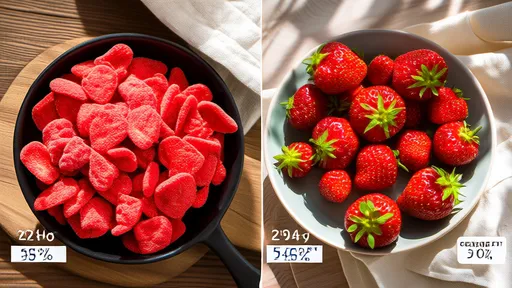
Lyophilized Fruits vs Fresh Fruits: How Much Nutrient Loss? Which is Worth Buying?

By /Sep 9, 2025

In the bustling aisles of modern supermarkets, a quiet revolution has taken place in the produce section. Alongside the vibrant displays of fresh fruits, an increasingly popular alternative has emerged: freeze-dried fruits. These lightweight, shelf-stable options promise convenience and longevity, but many health-conscious consumers find themselves pondering a crucial question—how much nutritional value is lost in the process, and which option truly delivers better value for money?
Food

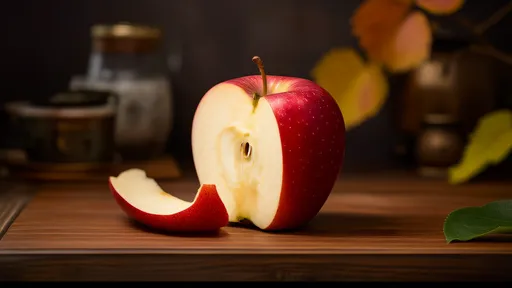
To Peel or Not to Peel: The Apple Dilemma

By /Sep 9, 2025

The simple act of eating an apple, a fruit synonymous with health and vitality, presents a surprisingly complex dilemma for the modern consumer. For generations, the question of whether to peel an apple or eat it skin-on has simmered in kitchens and lunchrooms worldwide. Today, this decision is framed not by mere preference or texture but by a pressing conflict between two powerful health narratives: the fear of pesticide residues and the pursuit of dietary fiber. This debate encapsulates a broader tension in our relationship with food, where the quest for purity often clashes with the desire for nutritional completeness.
Food

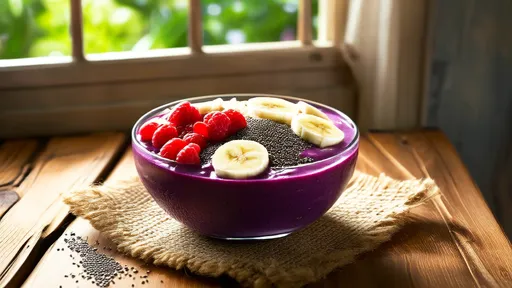
Superfood Acai: A True Nutritional Myth or Just a Marketing Gimmick?"

By /Sep 9, 2025

In the lush rainforests of the Amazon basin, a deep purple berry has been harvested for centuries by indigenous communities, not as a trendy superfood, but as a staple of sustenance and traditional medicine. The acai palm, with its slender trunks and crown of leaves, yields clusters of small, round fruits that have recently exploded onto global health scenes, touted as a nutritional panacea. Yet, as acai bowls grace the menus of cafes from Los Angeles to Tokyo, a critical question emerges: is the acai berry a genuine nutritional powerhouse, or merely a masterclass in modern marketing?
Food

Citrus Showdown: Oranges, Grapefruits, and Mandarins - Who Has More Vitamin C?

By /Sep 9, 2025

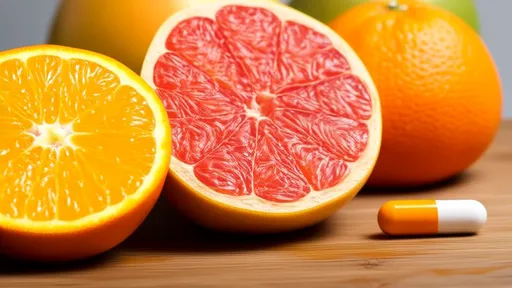
In the vibrant world of citrus fruits, the battle for nutritional supremacy often centers around one key player: vitamin C. Among the popular members of the citrus family—oranges, pomelos, and mandarins—each brings its own unique profile to the table, but which one truly reigns when it comes to this essential nutrient? The answer isn't as straightforward as one might think, and delving into the specifics reveals a fascinating interplay of variety, ripeness, and even growing conditions.
Food

Durian: The Love-Hate King of Fruits" – The Ultimate Balance of High Nutrition and High Calories

By /Sep 9, 2025

There are few fruits in the world that evoke such strong, polarized reactions as the durian. Known throughout Southeast Asia as the "King of Fruits," it commands a cult-like following among its devotees, while simultaneously repelling others with its notoriously pungent aroma. To the uninitiated, the durian’s smell has been compared to anything from rotting onions and gym socks to turpentine. Yet, to its lovers, that very same scent is a complex, fragrant promise of the rich, custard-like delight hidden within its spiky, formidable exterior.
Food

Why Does Pineapple Prick" the Mouth, and Is Soaking in Saltwater Science or Superstition?

By /Sep 9, 2025

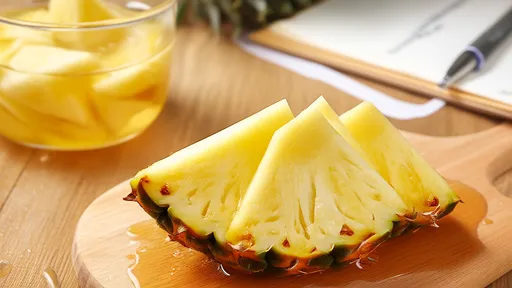
The curious case of pineapple's peculiar prickling sensation on the tongue has puzzled palates and perplexed scientists for generations. That sharp, almost electric zing followed by a lingering rawness can turn the sweet tropical delight into a paradoxical experience of pleasure and pain. For centuries, culinary traditions, particularly across tropical regions where pineapples grow, have advocated a simple yet seemingly mystical solution: a brief soak in salted water. But does this folk remedy hold any scientific merit, or is it merely kitchen-table superstition passed down through the ages?
Food

100 Creative Uses for Lemons: Beyond Just Water, a Kitchen Multi-Tool for Marinating, Preserving, and Cleaning

By /Sep 9, 2025

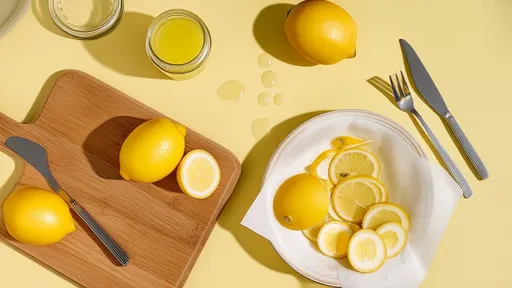
Lemons are often relegated to the humble role of a simple garnish for water or a slice perched on the rim of a glass. This citrus fruit, however, is a veritable powerhouse of utility, boasting a versatility that extends far beyond the beverage cooler. From the culinary arts to household chores, the lemon is an unsung hero, a natural and effective solution for a myriad of tasks. Its vibrant acidity, fresh scent, and natural antibacterial properties make it an indispensable ally in the kitchen and around the home. To view it merely as a flavoring agent is to overlook a vast repository of practical applications waiting to be unlocked.
Food

Banana Ripeness Varies: Do Spotty Bananas Fight Cancer Better? Different Ripeness Levels for Different Eating Methods!

By /Sep 9, 2025

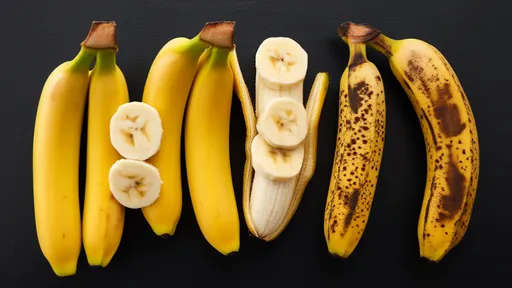
Bananas are one of the most widely consumed fruits globally, cherished for their convenience, taste, and nutritional benefits. However, what many people may not realize is that the ripeness of a banana significantly impacts not only its flavor and texture but also its health properties. From vibrant green to speckled yellow and eventually brown, each stage of ripeness offers distinct advantages, making the humble banana a versatile food that caters to diverse dietary needs and preferences.
Food

Is Blueberry Really the King of Antioxidants"? How Much Should Be Consumed Daily for Effectiveness?

By /Sep 9, 2025

In the bustling world of superfoods, few have captured the public imagination quite like the humble blueberry. Touted as the "antioxidant king" by health enthusiasts and marketers alike, this small but mighty fruit has become a staple in smoothie bowls, yogurt parfaits, and supplement aisles. But does this royal title hold up under scientific scrutiny, and if so, how much should one actually consume to reap its purported benefits?
Food

Avocado: The Perfect Spokesperson for High-Quality Fats - From Judging Ripeness to Making Guacamole Smoothies, One Article to Cover It All.

By /Sep 9, 2025

In the lush orchards where the avocado tree stretches its branches toward the sun, a quiet revolution in nutrition has been taking root. For decades, this unassuming fruit has transcended its humble origins to become nothing short of a cultural icon—a symbol of health, versatility, and culinary delight. From the creamy depths of guacamole to the silken texture of a morning smoothie, the avocado has embedded itself into the fabric of modern eating habits, and for good reason. It stands not merely as a trend but as a testament to nature’s ability to package perfection in a leathery, green shell.