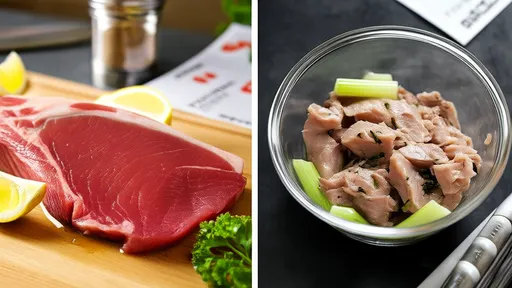
When it comes to seafood delicacies, few capture the imagination and appetite quite like tuna. Often dubbed the "steak of the sea" for its meaty texture and rich flavor, tuna holds a revered spot in culinary traditions across the globe. However, a common dilemma faces consumers and chefs alike: should one opt for the convenience and longevity of canned tuna or the premium, fresh-caught experience? The debate extends beyond mere taste and convenience, delving deep into the nutritional landscape, where processing methods, storage, and preparation significantly influence what ends up on your plate.
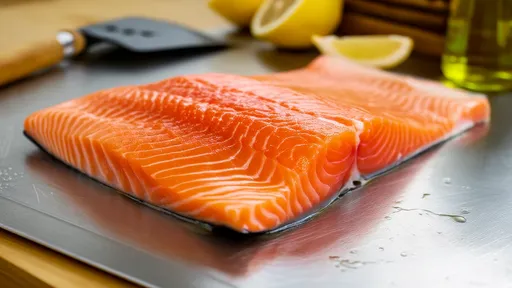
Fresh tuna, typically sourced from recent catches and swiftly brought to market, is often perceived as the pinnacle of quality. Its vibrant color, firm texture, and clean, oceanic taste make it a favorite for sushi, sashimi, and gourmet grilling. Nutritionally, fresh tuna is a powerhouse. It is an excellent source of high-quality protein, essential for muscle repair, immune function, and overall bodily maintenance. Moreover, it is rich in omega-3 fatty acids, particularly EPA and DHA, which are celebrated for their heart-health benefits, anti-inflammatory properties, and support for brain health. Fresh tuna also provides a substantial array of vitamins and minerals, including vitamin D, selenium, and B vitamins like niacin and B12, which play crucial roles in energy metabolism and neurological function.
However, the nutritional profile of fresh tuna is not without its caveats. One significant concern is the potential accumulation of environmental contaminants, such as mercury and polychlorinated biphenyls (PCBs), especially in larger, longer-lived species like bluefin or bigeye tuna. These toxins can pose health risks if consumed in large quantities, particularly for vulnerable groups such as pregnant women and young children. Additionally, the freshness itself is a double-edged sword; if not handled and stored properly, fresh tuna can spoil quickly, leading to nutrient degradation and potential food safety issues. The journey from ocean to table must be swift and well-managed to preserve its nutritional integrity.
On the other side of the spectrum lies canned tuna, a pantry staple beloved for its affordability, long shelf life, and versatility. The canning process involves cooking the tuna, sealing it in cans—often with added water, oil, or brine—and then sterilizing it through heat treatment. This method not only preserves the fish but also makes it incredibly convenient for quick meals, from sandwiches to casseroles. Nutritionally, canned tuna retains many of the benefits of its fresh counterpart. It remains a robust source of protein, and the canning process does not significantly diminish the protein content. In fact, some studies suggest that the high heat used in canning might make certain proteins more digestible.
Where canned tuna diverges nutritionally is in its omega-3 fatty acid content. The canning process, particularly when oil is used as the packing medium, can lead to some leaching of these delicate fats into the surrounding liquid. While tuna packed in water might retain slightly more omega-3s, both varieties generally have lower levels compared to fresh tuna. However, it's worth noting that canned tuna still provides a meaningful amount of these beneficial fats, especially if the packing oil is consumed or used in recipes. Additionally, canned tuna is an excellent source of several minerals. For instance, the bones often included in canned light tuna (typically from smaller species like skipjack) are soft and edible, providing a significant calcium boost—a nutrient absent in fresh tuna fillets.
The choice between water-packed and oil-packed canned tuna also introduces nutritional trade-offs. Water-packed tuna is lower in calories and fat, making it a favorite for those monitoring their intake. Oil-packed tuna, while higher in calories, often has a richer flavor and a more luxurious mouthfeel; the type of oil used (e.g., olive oil vs. vegetable oil) can further influence the fatty acid profile. Another consideration is sodium content. Many canned tuna products contain added salt as a preservative and flavor enhancer, which can be a concern for individuals with hypertension or those reducing sodium intake. Thankfully, low-sodium or no-salt-added options are increasingly available.
Beyond the macro differences, subtle variations exist in micronutrient stability between canned and fresh tuna. The heat from canning can degrade some heat-sensitive vitamins, such as certain B vitamins, though the extent is often minimal. Conversely, the hermetic sealing of cans protects the tuna from oxidation and light, preserving other nutrients like vitamin D and selenium effectively. In contrast, fresh tuna, if exposed to air and light during transport and display, can experience oxidative damage to its fats, potentially reducing the potency of its omega-3s over time.
Ultimately, the decision between canned and fresh tuna is not a matter of one being universally superior to the other. Instead, it hinges on individual priorities, dietary needs, and contexts. For the purist seeking the highest omega-3 content and a pristine culinary experience, fresh tuna—sourced responsibly and consumed in moderation—is an unbeatable choice. For those valuing convenience, budget-friendliness, and a longer shelf life without sacrificing core nutritional benefits, canned tuna stands as a formidable option. Both forms of this "steak of the sea" offer distinct advantages, and incorporating a mix of both into a balanced diet can allow consumers to reap the broadest range of benefits while navigating the practicalities of modern life.
As with any food, quality matters. Opting for fresh tuna from sustainable fisheries and reputable suppliers can mitigate concerns over contaminants. Similarly, choosing canned tuna with minimal additives, packed in healthy oils, or with reduced sodium can enhance its nutritional profile. Whether enjoyed seared rare with a drizzle of soy sauce or mixed into a hearty salad straight from the can, tuna in all its forms remains a testament to the ocean's bounty, offering both nourishment and delight to those who partake.
By /Sep 9, 2025
By /Sep 9, 2025

By /Sep 9, 2025
By /Sep 9, 2025
By /Sep 9, 2025

By /Sep 9, 2025
By /Sep 9, 2025

By /Sep 9, 2025

By /Sep 9, 2025
By /Sep 9, 2025
By /Sep 9, 2025

By /Sep 9, 2025

By /Sep 9, 2025
By /Sep 9, 2025
By /Sep 9, 2025
By /Sep 9, 2025

By /Sep 9, 2025
By /Sep 9, 2025

By /Sep 9, 2025
By /Sep 9, 2025
