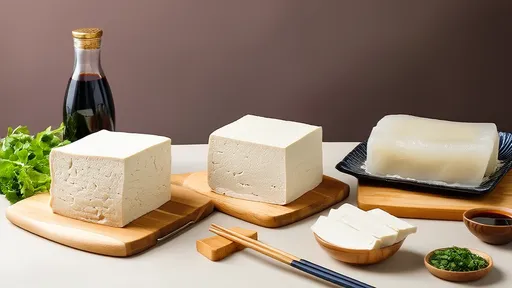
In the vast landscape of Chinese cuisine, few ingredients are as versatile and culturally significant as tofu. Known as "bean curd" in English, this humble food has been a cornerstone of East Asian diets for centuries, celebrated not only for its nutritional value but also for its remarkable adaptability. Among the many varieties that have emerged over time, three stand out as particularly distinct in both character and culinary application: southern tofu, northern tofu, and lactone tofu. Each type tells a story of regional preferences, traditional techniques, and evolving tastes, offering a fascinating glimpse into how a single ingredient can be transformed to suit diverse needs and palates.
Southern tofu, often referred to as "soft tofu" or "silken tofu," is cherished for its delicate, smooth texture and high moisture content. Originating from the warmer, rice-growing regions of southern China, this variety is typically made with gypsum (calcium sulfate) as a coagulant, which results in a tender, almost pudding-like consistency. Nutritionally, it is relatively lower in protein and calcium compared to its firmer counterparts but remains a good source of essential amino acids, iron, and B vitamins. Its gentle nature makes it ideal for dishes where subtlety is key, such as steaming, boiling, or incorporating into soups and desserts. In Cantonese cuisine, for example, it is often steamed with minced meat or fish, allowing its mild flavor to absorb and complement the accompanying ingredients without overpowering them.
Northern tofu, by contrast, is known for its firm, robust texture and lower water content. This variety, sometimes called "regular tofu" or "hard tofu," is traditionally coagulated with nigari (magnesium chloride) or calcium salts, giving it a denser, more compact structure that holds up well to vigorous cooking methods. Nutritionally, it packs a stronger punch, with higher levels of protein, calcium, and iron, making it a favorite among those seeking a substantial plant-based protein source. Its versatility shines in stir-fries, braises, and pan-frying, where it can develop a golden crust while maintaining a chewy interior. In northern Chinese dishes, it is frequently marinated, deep-fried, or stuffed, showcasing its ability to stand up to bold flavors and high heat without disintegrating.
Lactone tofu, a more modern innovation, represents a departure from traditional coagulation methods. Instead of using mineral salts, it is set with glucono delta-lactone (GDL), a food-grade acid that produces an exceptionally smooth, uniform texture with no whey separation. This results in a product that is consistently silky and tender, often compared to fine custard or flan. Nutritionally, it tends to have slightly lower protein and mineral content than northern tofu but is still a valuable source of plant-based nutrients. Its delicate consistency makes it unsuitable for frying or prolonged cooking but perfect for cold dishes, dips, and desserts. In contemporary Chinese cooking, it is often served chilled with sweet or savory toppings, blended into smoothies, or used as a base for vegan creams and sauces.
The differences in nutritional profiles among these three types of tofu are not just a matter of personal preference but also reflect their intended culinary roles. Southern tofu, with its higher water content, is lighter and more digestible, making it suitable for delicate, health-conscious preparations. Northern tofu, being denser, provides more sustained energy and is often used in heartier, labor-intensive meals. Lactone tofu, while nutritionally modest, offers a unique textural experience that aligns with modern, convenience-oriented eating habits. Each type brings something distinct to the table, allowing cooks to choose based on dietary needs, cooking methods, and desired outcomes.
In terms of usage, the applications of these tofu varieties are as diverse as the regions they come from. Southern tofu excels in dishes where its softness can be preserved, such as in the classic Sichuan mapo tofu, where it absorbs the spicy, aromatic sauce without breaking down. It is also a popular choice for steaming with ginger and scallions, or even as a base for sweet dishes like tofu pudding with syrup. Northern tofu, on the other hand, is the go-to for dishes that require structure and chew, such as tofu stuffed with pork or mushrooms, or cubed and added to hearty stews. Its ability to be frozen and thawed—creating a spongy texture that soaks up flavors—is particularly valued in vegetarian cooking. Lactone tofu, with its neutral taste and creamy texture, has found a niche in both traditional and fusion cuisines, appearing in everything from spicy cold appetizers to innovative desserts like tofu cheesecake.
Beyond their immediate culinary uses, these tofu varieties also reflect broader cultural and historical trends. Southern tofu’s delicacy mirrors the refined, nuanced flavors prized in southern Chinese cooking, where freshness and subtlety are paramount. Northern tofu’s heartiness aligns with the rugged, practical culinary traditions of northern China, where preserving food and maximizing nutrition were historically essential. Lactone tofu, as a product of modern food science, speaks to the ongoing evolution of Chinese cuisine, embracing convenience and consistency without abandoning tradition. Together, they illustrate how a single ingredient can adapt to changing times and tastes while retaining its core identity.
For home cooks and chefs alike, understanding these differences opens up a world of possibilities. Choosing the right type of tofu can elevate a dish from good to exceptional, ensuring that texture, flavor, and nutrition are in perfect harmony. Whether crafting a light, elegant soup with southern tofu, a robust stir-fry with northern tofu, or a creamy dessert with lactone tofu, each variety offers a unique set of characteristics that can be harnessed to create memorable meals. As global interest in plant-based eating continues to grow, these distinctions become even more valuable, providing a roadmap for exploring the rich, varied world of tofu beyond the one-size-fits-all approach often seen in Western supermarkets.
In conclusion, the story of tofu is one of transformation and adaptability, embodied by the distinct personalities of southern, northern, and lactone varieties. From their nutritional strengths to their culinary roles, each type offers a unique window into the diversity of Chinese food culture. By appreciating these differences, we not only become better cooks but also gain a deeper understanding of how food evolves to meet the needs of different regions, eras, and lifestyles. So the next time you reach for tofu, consider which variety best suits your dish—and enjoy the endless possibilities that this remarkable ingredient has to offer.
By /Sep 9, 2025
By /Sep 9, 2025
By /Sep 9, 2025
By /Sep 9, 2025
By /Sep 9, 2025
By /Sep 9, 2025
By /Sep 9, 2025
By /Sep 9, 2025
By /Sep 9, 2025
By /Sep 9, 2025
By /Sep 9, 2025
By /Sep 9, 2025
By /Sep 9, 2025
By /Sep 9, 2025
By /Sep 9, 2025
By /Sep 9, 2025

By /Sep 9, 2025
By /Sep 9, 2025

By /Sep 9, 2025
By /Sep 9, 2025
