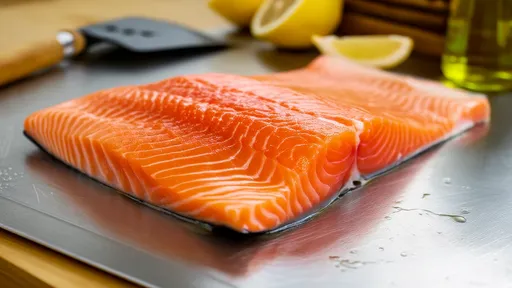
In the realm of superfoods, few ingredients command as much respect as salmon. Revered by nutritionists and chefs alike, this versatile fish has carved out a reputation as a nutritional powerhouse, particularly celebrated for its rich reserves of omega-3 fatty acids. These essential fats, which the human body cannot produce on its own, play a critical role in maintaining cardiovascular health. They help reduce inflammation, lower triglycerides, decrease blood clotting, and may even help regulate heart rhythms. With heart disease remaining a leading cause of mortality globally, the quest for dietary strategies to support heart health has never been more pertinent. This brings us to a compelling culinary crossroads: given salmon’s stellar nutritional profile, how does the method of preparation influence its ability to guard our most vital organ? The journey from ocean to plate involves key decisions—whether to sear it in a pan, roast it in an oven, or serve it pristine and raw as sashimi—each path potentially altering the very nutrients we seek to harness.
The allure of a perfectly pan-seared salmon fillet is undeniable. There’s something deeply satisfying about the sound of it sizzling in a hot skillet, the way the high heat creates a crisp, golden-brown crust while locking in moisture. This method, a staple in home kitchens and restaurants, is often praised for its speed and the depth of flavor it develops through the Maillard reaction. From a nutritional standpoint, however, the story becomes more nuanced. Cooking salmon, in general, can make its protein more digestible and may enhance the bioavailability of certain nutrients. The application of direct, high heat does cause some loss of its precious omega-3s, as these polyunsaturated fats are sensitive and can break down or oxidize when exposed to intense temperatures. The type of fat used for searing also matters immensely. Opting for a stable oil like avocado or coconut oil, rather than a polyunsaturated vegetable oil that can oxidize easily, can help mitigate this nutrient loss. While pan-frying might lead to a marginal reduction in EPA and DHA (the specific types of omega-3s in fish), the result is still a profoundly healthy and delicious meal, far superior to many other protein sources. The key is to use minimal oil and avoid charring or burning the flesh, which can create harmful compounds.
Roasting or baking salmon presents a gentler, more forgiving approach. By surrounding the fish with the consistent, enveloping heat of an oven, we cook it more gradually and evenly. This method is fantastic for preparing larger portions or whole sides of salmon, often accompanied by a medley of herbs, lemon slices, and vegetables that steam together, infusing the fish with aroma and allowing it to cook in its own juices. Nutritionally, baking is frequently hailed as one of the best methods for preserving omega-3 fatty acids. The lower, controlled heat and the lack of direct contact with a scorching metal surface mean less chance of the fats degrading. Studies suggest that baking may result in a higher retention of these beneficial fats compared to frying. Furthermore, this method requires little added fat, allowing the natural oils of the salmon to do the work. For the cardiovascular-conscious eater, a beautifully roasted piece of salmon, flaky and moist from the inside, represents a nearly optimal delivery system for omega-3s, combining excellent nutrient preservation with foolproof preparation.
Then we have sashimi—the art of consuming salmon in its purest, uncooked form. A cornerstone of Japanese cuisine, salmon sashimi is appreciated for its buttery texture, delicate flavor, and pristine presentation. This method involves no heat whatsoever, seemingly offering the most direct route to consuming all the innate nutrients without any potential losses from cooking. In theory, eating raw salmon should provide the absolute maximum amount of omega-3 fatty acids, as they remain completely unaltered by thermal processing. However, this comes with significant caveats. The paramount concern is safety. Only salmon that has been previously frozen to specific temperatures to kill parasites is safe for raw consumption. Furthermore, sourcing from reputable, sustainable suppliers is crucial to minimize exposure to environmental pollutants like mercury or PCBs, which can accumulate in fish fat. Assuming one has access to safe, sushi-grade salmon, sashimi does deliver a potent dose of untouched omega-3s. Yet, it’s worth considering that the absence of heat might make the protein slightly less digestible for some individuals compared to its cooked counterparts.
So, which method reigns supreme in the mission to safeguard our hearts? The answer is refreshingly inclusive: all of them. Each preparation style offers a valid and effective way to incorporate omega-3s into your diet. Baking might have a slight edge in studies for nutrient retention with minimal added fats, making it a consistently excellent choice for everyday health. Pan-searing, when done mindfully, creates a delectable meal without vastly diminishing its nutritional worth. And sashimi, for those with access to premium, safe product, provides a direct and unadulterated omega-3 boost. The true guardian of cardiovascular health is not a single cooking technique but the consistent inclusion of fatty fish like salmon in your dietary pattern. The best preparation is ultimately the one you will enjoy most frequently, perhaps rotating through these methods to keep your meals exciting and sustainable. Pair your salmon with a symphony of other heart-healthy foods—leafy greens, whole grains, and other colorful vegetables—and you have a recipe not just for a single meal, but for a lifetime of robust heart health.
By /Sep 9, 2025
By /Sep 9, 2025
By /Sep 9, 2025
By /Sep 9, 2025
By /Sep 9, 2025
By /Sep 9, 2025
By /Sep 9, 2025
By /Sep 9, 2025

By /Sep 9, 2025
By /Sep 9, 2025
By /Sep 9, 2025
By /Sep 9, 2025
By /Sep 9, 2025
By /Sep 9, 2025
By /Sep 9, 2025
By /Sep 9, 2025
By /Sep 9, 2025
By /Sep 9, 2025
By /Sep 9, 2025
By /Sep 9, 2025
